
How to Garden Without Back Pain: 7 Tips for Safer Gardening
The sun is shining. The garden is calling. And after months of winter, you’re ready to tackle everything at once.
Your back, however, may have other plans.
Every spring, we see patients at Body Science dealing with back pain after gardening, sore shoulders, stiff knees, and muscle strains after jumping straight into a weekend of yard work.
And it makes sense.
Gardening might not feel like exercise, but digging, lifting, pulling, carrying, squatting, and spending hours bent over garden beds can be a serious workout.
The good news? A few simple changes can help you garden more comfortably and reduce your risk of injury.
1. Warm Up Before You Start Gardening
You probably wouldn’t walk into the gym and immediately start your heaviest lift.
Treat gardening the same way.
Before reaching for the shovel, spend 5–10 minutes getting your body moving. Take a brisk walk, roll your shoulders, gently rotate through your upper body, and try a few comfortable squats or hip hinges.
The goal isn’t an elaborate stretching routine. You simply want to prepare your muscles and joints for the movement ahead.
Think of gardening as a workout—and warm up accordingly.
2. Bring the Garden to You
One of the biggest contributors to back pain while gardening is spending too much time bent over.
Instead of repeatedly rounding or hinging through your back, change your position.
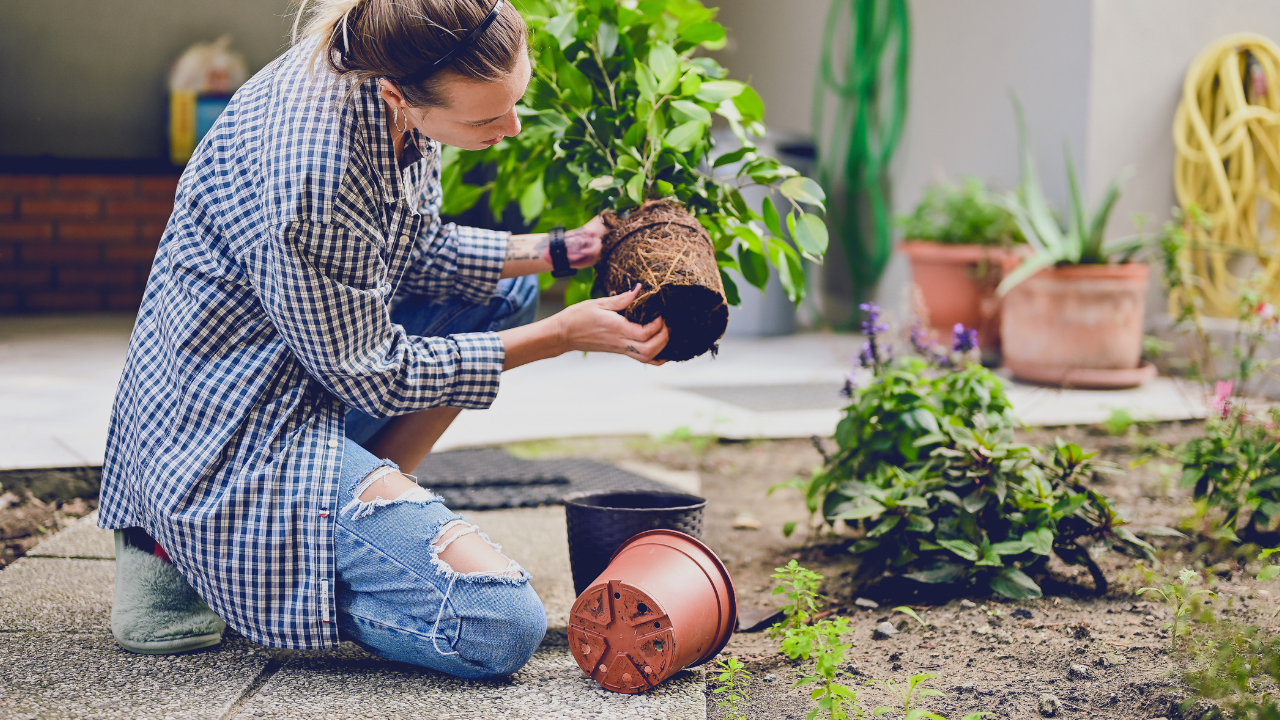
Use a gardening stool or raised garden bed when possible. Kneel on a padded mat. Sit comfortably on the ground. Alternate between kneeling, sitting, squatting, and standing.
Your best posture is often your next posture.
Changing positions regularly helps distribute the workload rather than asking the same muscles and joints to do all the work.
3. Lift With Your Whole Body
Bags of soil, mulch, planters, and watering cans can get heavy quickly.
Before lifting, get close to the object rather than reaching for it. Use a comfortable stance, bend through your hips and knees, keep the load close to your body, and use your legs to help you stand.
And if something feels too heavy?
Don’t be a gardening hero.
Split the load into smaller amounts, ask for help, or use a wheelbarrow.
Your garden won’t be impressed that you carried three bags of soil at once. Your lower back probably won’t be either.
4. Use the Right Gardening Tools
Good tools don't just make gardening easier—they can reduce the physical demands on your body.
Use a wheelbarrow or garden cart for heavy loads. Choose long-handled tools when they allow you to work more comfortably. Keep pruning and cutting tools sharp so you aren't using unnecessary force.
If you're doing repetitive work, periodically switch hands or tasks when possible.
Work smarter, not harder applies in the garden too.
5. Avoid Doing Everything in One Day
We know.
You waited all winter. The garden looks terrible. And once you start, you want to finish.
But going from a relatively quiet winter to six straight hours of gardening can be a recipe for sore muscles.
Break larger projects into smaller sessions and give yourself opportunities to recover.
Try alternating demanding jobs with lighter ones. Dig for a while, then switch to planting. Take a water break. Walk around. Change positions.
Fatigue can affect how you move, which is another reason that knowing when to call it a day matters.
6. Pay Attention to Repetitive Movements
Gardening often involves doing the same thing again and again.
Pull. Dig. Twist. Reach. Repeat.
Over time, those repetitive movements can irritate muscles, tendons, and joints—particularly when you're always working from the same position.
Change sides when you can, reposition your body instead of repeatedly twisting, and take regular movement breaks.
If something starts hurting, don't simply push through because you're almost finished.
Your body is giving you information. Listen to it.
7. Give Your Body Time to Recover
Once the tools are away, give your body a chance to wind down too.
Gentle walking and comfortable movement can feel good after spending hours in repetitive positions. Hydrate, eat a nourishing meal, and prioritize a good night's sleep.
You might experience some muscle soreness after doing more activity than you're accustomed to. But sharp, severe, worsening, or persistent pain shouldn't simply be dismissed as normal gardening soreness.
If pain is stopping you from moving normally, isn't improving, or is accompanied by symptoms such as numbness or weakness, it's worth having it assessed.
Why Does My Back Hurt After Gardening?
Gardening combines several movements that can challenge your back: bending, lifting, reaching, twisting, carrying, and staying in one position for extended periods.
That doesn't mean these movements are inherently bad for your back.
Your body is designed to bend and move.
Problems are more likely to arise when the workload suddenly exceeds what your body is currently prepared to handle—especially after a less active winter or during an ambitious weekend in the yard.
Building strength, staying active throughout the year, varying your movements, and gradually increasing your gardening workload can all help prepare your body for the season.
Don't Let Back Pain Keep You Out of the Garden
Gardening is a fantastic way to move your body, spend time outside, and enjoy the warmer months.
You don't need perfect posture or a complicated routine to do it safely.
Warm up. Change positions. Use your tools. Manage your workload. And pay attention to what your body is telling you.
Your tomatoes can wait until tomorrow.
— Dr. Thea Zacharia
Your health deserves
THE BIGGER PICTURE.
Feeling better starts with understanding your body. Whether you're dealing with discomfort, looking for answers, or simply wanting to feel your best, our team is here to help you take the next step with personalized, integrated care.
Let's get you feeling better.
Better health starts with better information.
Get practical, science-backed insights on movement, recovery, nutrition, prevention, and everyday health delivered straight to your inbox.
No noise. No quick fixes. Just useful information to help you understand your body and take a more active role in your health.
We hate SPAM. We will never sell your information, for any reason.