Environmental Stressors: Hidden Sources of Everyday Stress
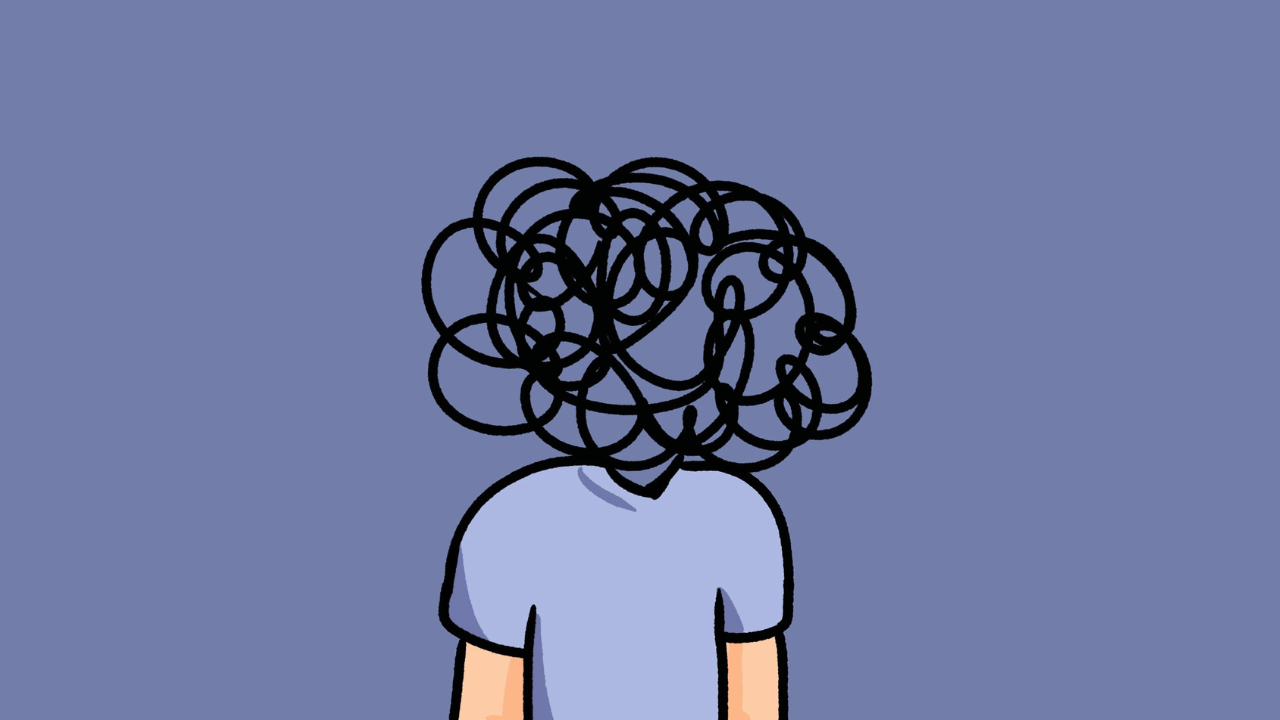
Stress isn’t always obvious.
Sometimes it’s the deadline looming over you, the argument with your partner, the traffic jam on the way to work, or the never-ending list of things that need your attention.
But other times, stress can come from the everyday environment around us—the habits and exposures we barely think twice about.
Late-night screen time. Poor sleep. Constant notifications. What we eat. How little time we spend actually disconnecting.
These environmental and lifestyle stressors may seem small on their own, but together they can influence how rested, energized, and resilient we feel.
The good news? You don’t need to eliminate every source of stress from your life. Understanding what may be adding to your overall stress load can help you make small changes that support your health.
Blue Light, Screen Time + Your Circadian Rhythm
Your body loves a rhythm.
Our internal circadian rhythm helps regulate when we feel awake and when we feel ready for sleep, and light is one of the most important signals controlling that rhythm.
Natural daylight helps tell your brain it’s daytime. As evening arrives and light levels decrease, your body begins preparing for sleep.
Modern life can complicate that process.
Phones, tablets, computers, televisions, and artificial lighting allow us to stay surrounded by light long after sunset. Exposure to bright light in the evening—particularly light containing shorter blue wavelengths—can suppress or delay melatonin production and make it harder for the body to prepare for sleep.
And sleep matters.
Consistently getting enough quality sleep supports recovery, cognitive function, mood, immune health, and our ability to cope with everyday stress.
How Can You Reduce Blue Light at Night?
You don’t necessarily have to throw your phone out the window.
Instead, try creating a more intentional evening routine. Dim household lighting as bedtime approaches, reduce unnecessary screen time in the evening, use your devices’ night settings, and avoid bringing your phone to bed whenever possible.
Blue-light-blocking glasses may also reduce evening blue-light exposure, although they shouldn’t replace good sleep habits.
And don’t forget the other side of the equation: get outside during the day. Exposure to natural daylight, particularly earlier in the day, can help reinforce your body’s natural sleep-wake rhythm.
What About EMFs?
Electromagnetic fields—or EMFs—are produced by many everyday technologies, including cell phones, Wi-Fi routers, Bluetooth devices, and other electronics.
You may have seen alarming claims about EMFs online. Research into their potential health effects continues, but current evidence does not establish that everyday exposure below established safety limits causes symptoms such as anxiety or depression.
That doesn’t mean you have to sleep surrounded by electronics.
If removing devices from your bedroom helps you disconnect, sleep better, and stop checking your phone at 1 a.m., that alone can make it a worthwhile habit.
Try charging your phone outside the bedroom, turning off unnecessary notifications, and creating periods throughout the day when you intentionally step away from your devices.
Sometimes the healthiest part of “disconnecting” is exactly that—actually disconnecting.
Sugar, Nutrition + Your Stress Load
Nutrition can also play a role in how we feel physically and mentally.
Rather than blaming one ingredient, it’s helpful to look at your overall eating pattern.
Diets consistently high in added sugars and highly processed foods may displace nutrient-dense foods and can contribute to fluctuations in energy. Research has also found associations between diet quality and mental well-being, although the relationship is complex.
Instead of searching for the “perfect” sugar substitute, focus on the bigger picture.
Build meals around whole and minimally processed foods, include adequate protein and fibre, eat plenty of fruits and vegetables, stay hydrated, and enjoy sweets as part of an overall balanced diet.
Your nutrition doesn’t have to be perfect to support your health.
How to Reduce Environmental Stressors
You can’t remove stress from your life completely—and trying to do so may become another source of stress.
Instead, focus on the things you can realistically control.
Get natural light during the day. Create a consistent sleep schedule. Dim the lights at night. Give yourself regular breaks from screens. Move your body. Eat nourishing foods most of the time. Spend time outside. And create moments in your day when your brain isn’t being asked to respond to another notification.
Small changes, practised consistently, can add up.
Your Body Is Always Responding to Its Environment
Stress isn’t just about what happens during the difficult moments. Your sleep, movement, nutrition, recovery, environment, and everyday habits all contribute to how you feel.
At Body Science, we believe healthcare should look at that bigger picture.
Rather than focusing only on the symptom in front of us, we look at the factors that may be influencing how your body moves, functions, and recovers—then help you build realistic strategies that support your overall health.
Because you may not be able to eliminate stress.
But you can give your body better tools to respond to it.
— Dr. Thea Zacharia
Your health deserves
THE BIGGER PICTURE.
Feeling better starts with understanding your body. Whether you're dealing with discomfort, looking for answers, or simply wanting to feel your best, our team is here to help you take the next step with personalized, integrated care.
Let's get you feeling better.
Better health starts with better information.
Get practical, science-backed insights on movement, recovery, nutrition, prevention, and everyday health delivered straight to your inbox.
No noise. No quick fixes. Just useful information to help you understand your body and take a more active role in your health.
We hate SPAM. We will never sell your information, for any reason.